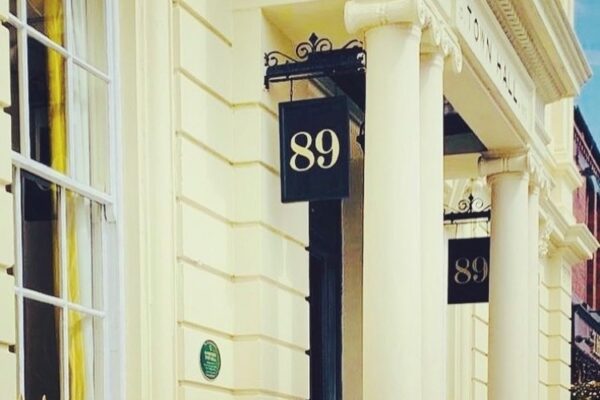
On a stretch of Wavertree High Street, amid pubs, bookies and offices, stands one of Liverpool’s more quietly remarkable buildings. Wavertree Town Hall, a Grade II-listed civic structure built in 1872, was once the centre of local governance. Designed by John Elliot Reeve, it had the presence expected of a town hall: symmetrical stonework, classical columns, and a strong Victorian sense of permanence. But permanence proved illusory. By the end of the 20th century, the building had lost its purpose and begun to decay. It was empty for years. Paint peeled, plaster fell, water got in. The Town Hall was almost demolished. For many, it became little more than an architectural backdrop – something to walk past on the way to the shops.
That it did not end up boarded and forgotten owes much to two women, Natalie Doughty and Lisa Dixon. Friends with backgrounds in hospitality and events, they took over the building in 2020 with the idea of bringing it back into public life – not as a civic office, but as a neighbourhood restaurant and bar. Their decision to take on the building was immediate and emotional. “We fell in love with this grand old lady as soon as we stepped foot inside,” says Natalie, “and we were heartbroken that it had fallen into disrepair.”
That affection became a sense of duty. “We felt that such a grand Grade-II listed building needed to be brought back to life,” they say. “It was the heart of the community and everyone has a story about the Town Hall from back in the day.”
Wavertree Town Hall opened as a restaurant just before the second national lockdown. As if that weren’t enough, the challenges were considerable. The building was in poor shape, requiring extensive renovation. Natalie, at the same time, had recently been diagnosed with cancer, which added an urgency to the project. The Town Hall became a kind of focus – something to rebuild.
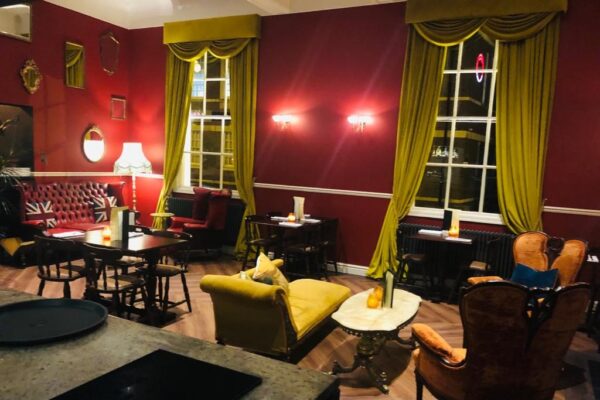
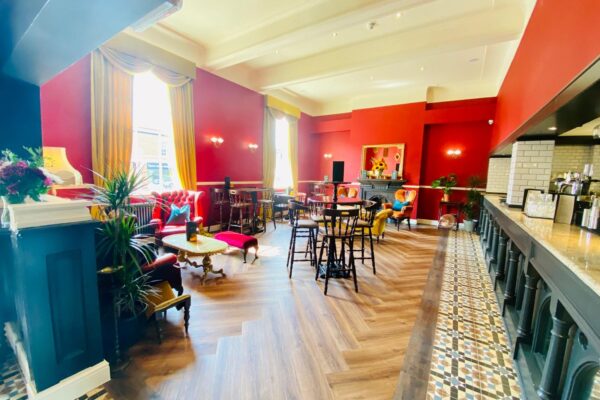
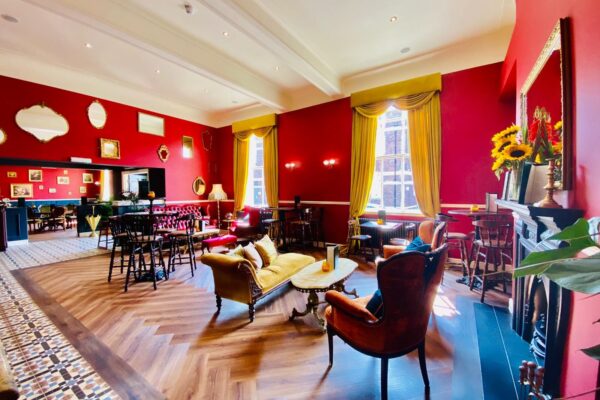
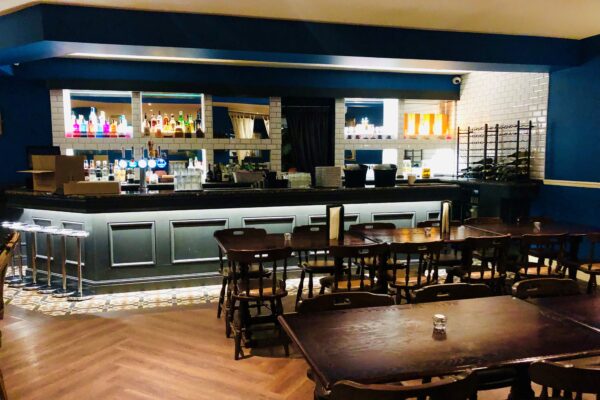
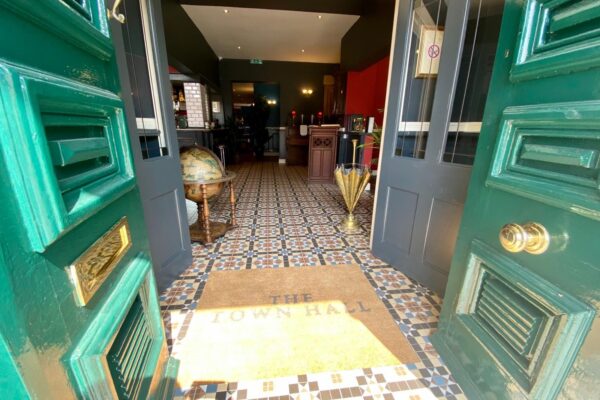
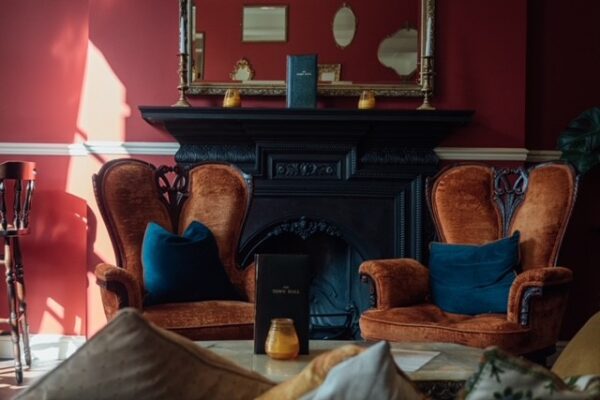
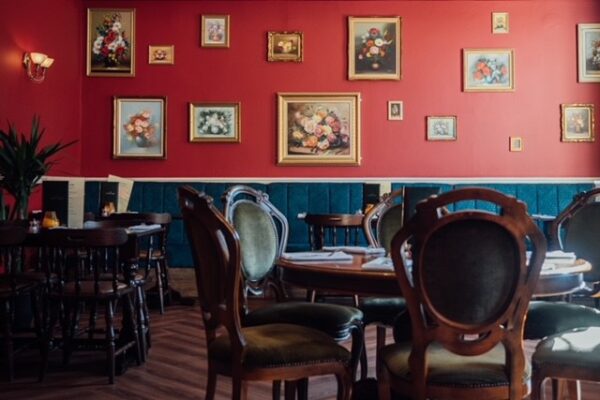
They opened with a tapas-style menu, an upstairs events space and an emphasis on informal, everyday hospitality. The aim was not to mimic the past but to allow the building to live again in a new way. Original features were retained where possible. The layout was adapted to suit a modern restaurant. The result is a place that feels both grand and local, with tall ceilings and warm light, where people come for Sunday roasts, baby showers, date nights or just a drink with friends (we often meet there to discuss work over a pot of tea). On a Mother’s Day you’ll struggle to find a seat in the three rooms downstairs (we did, but our hosts made space for us). There’s a function room up top too, in the TARDIS-like building).
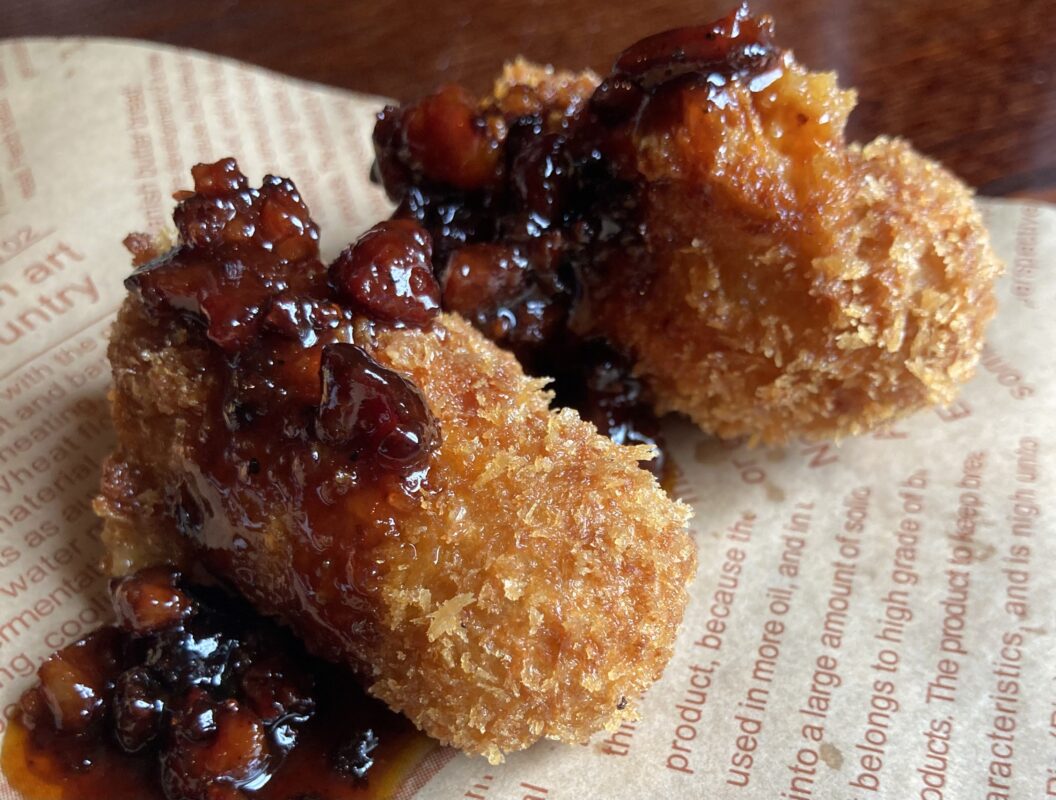
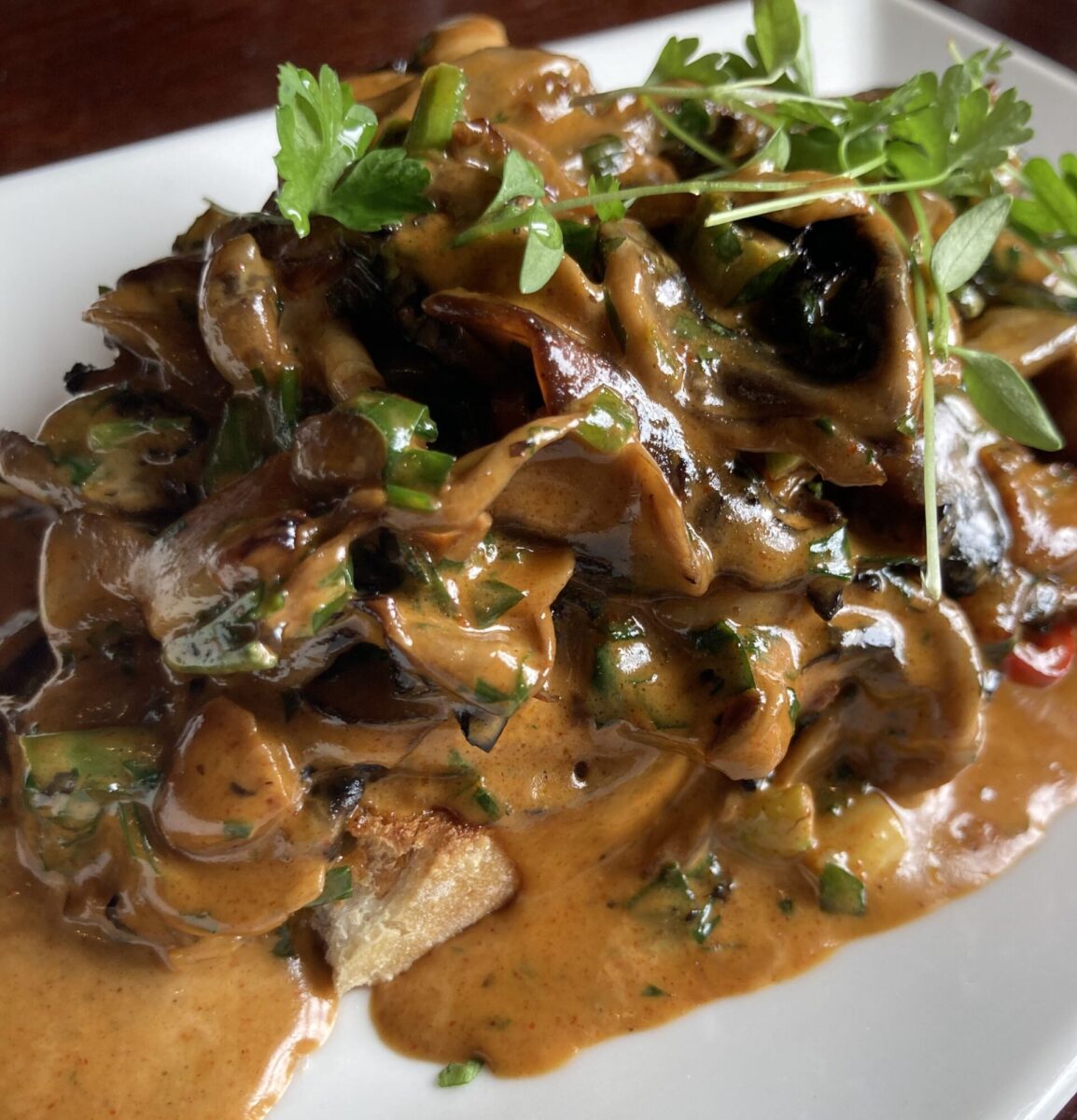
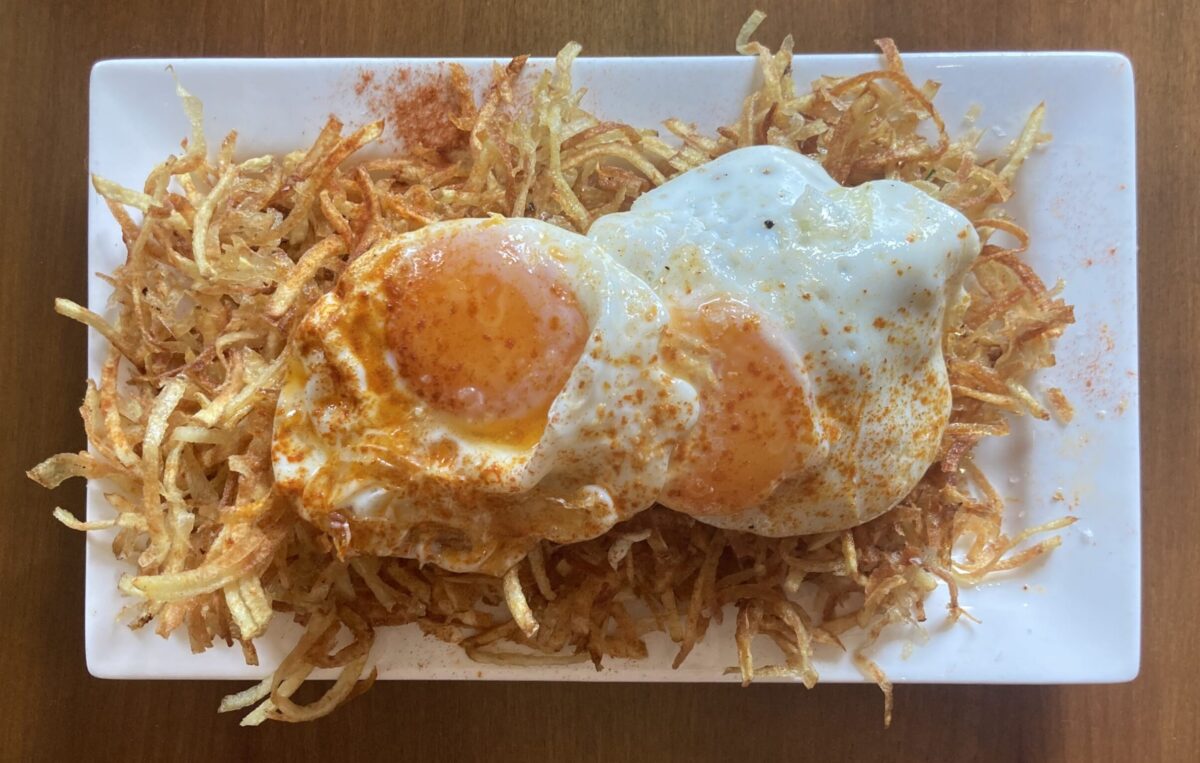
The food is straightforward, delicious and designed to share: croquetas, calamari, belly pork, aby spinach, with toasted pine nuts and raisins, and chorizo in honey. Cauliflower in a satay and tahini is an intriguing kitbash of cuisines; runny eggs with straw fries an indulgent delight. The more obviously Spanish dishes – Pan con Tomate, croquetas – are perfectly pitched: a char on the bread; a rotating cast of unctuous fillings in delicate crisp breadcrumb. 18 quid for three (generous) small plates is a winning offer in these straitened times – that’s less than your average Domino’s pizza. In the morning there are gigantic brekkies; on a Sunday enormous roasts. Afternoon teas all week fit the ambience perfectly.
There is no shortage of historic Liverpool buildings that have struggled to find new purpose. Wavertree Town Hall has been spared that fate, not through a top-down regeneration scheme (and not via student flats), but through something smaller and more personal. It holds its history lightly – George Harrison’s birth was registered there, Winston Churchill’s son worked here and the Quarrymen once performed in the space – but doesn’t lean on it.
An oval tablet above the entrance of Wavertree Town Hall contains a tree and the Latin inscription ‘Sub Umbra Floresco’, roughly ‘in the shade I flourish’. It could be a reference to Wavertree’s former independence of Liverpool; nowadays it feels like a good description of the High Street.
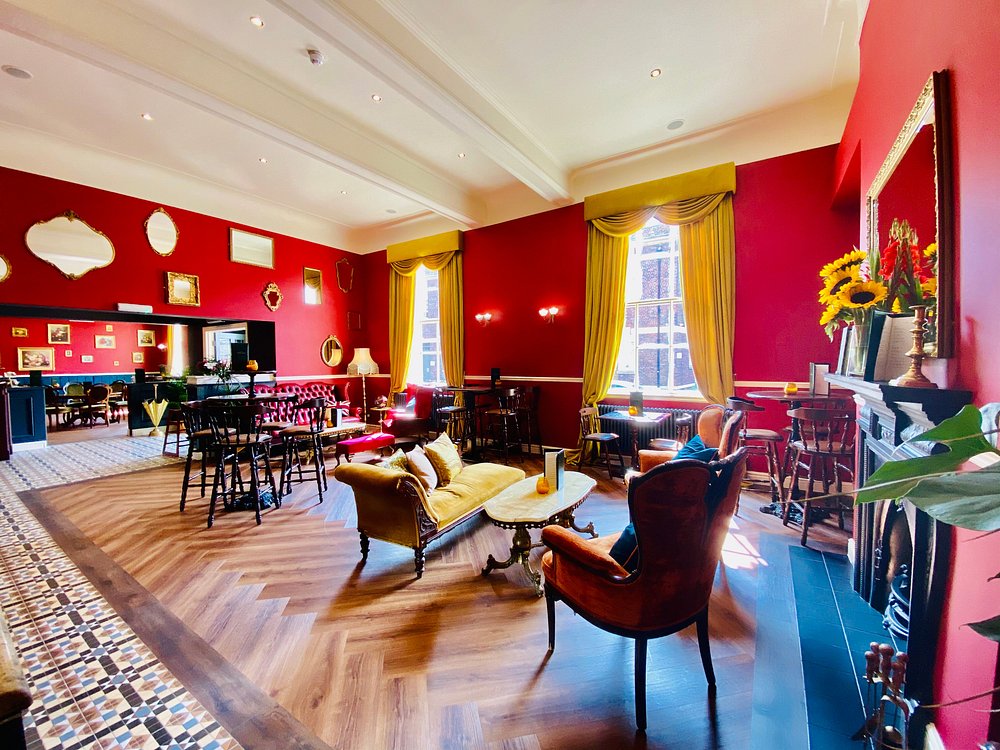
The rebirth of the Town Hall has come at a time when the High Street is undergoing a change of its own. There are new restaurants – just a few years ago there were barely any – while the pub scene thrives, especially at the weekends (we’ll skip over the art gallery for now, eh?).
For the owners, the Town Hall is perhaps as much about place as it is about eating and drinking. A building with stories, brought back into the present; simple food, done well. A high street, rediscovering its pulse.